

Winter Storm Damage in Citrus Heights, CA
Winter storm damage in Citrus Heights typically stems from heavy seasonal rainfall and flash flooding during Pacific storm systems between November and March, with particular risk in low-lying properties near drainage channels and Arcade Creek. Homes built on concrete slab foundations—common throughout mid-20th-century Central Valley construction—are especially vulnerable when water infiltrates around perimeters or through foundation cracks during these wet months. Darby Water Damage Restoration connects Citrus Heights property owners with local restoration providers who respond quickly to winter storm water damage, helping minimize structural deterioration and secondary damage before conditions worsen.
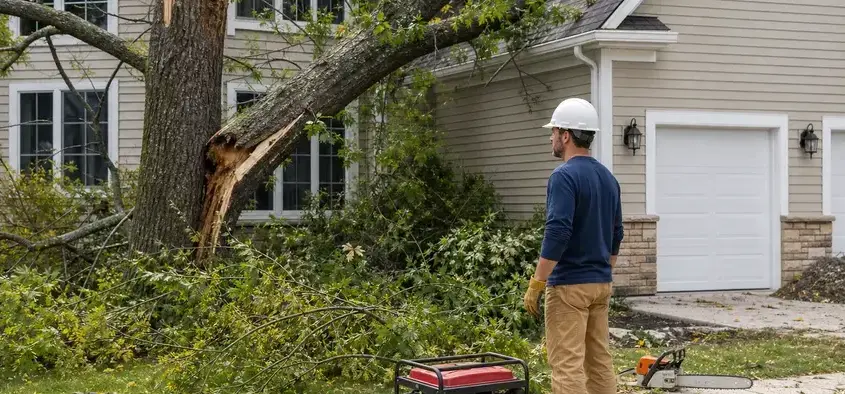
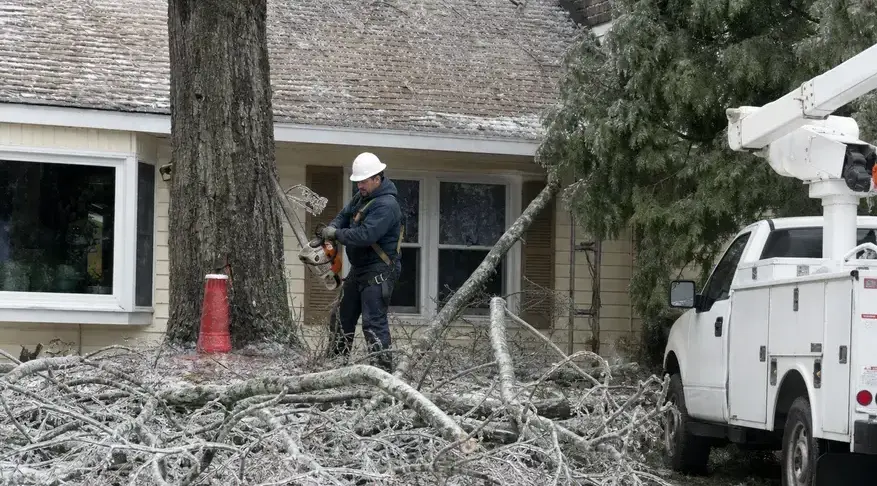
Winter Storm Damage in Citrus Heights, CA
Citrus Heights property owners face a significant winter water damage risk during the region's rainy season, when Pacific storm systems bring heavy precipitation between November and March. Many homes throughout Citrus Heights rest on concrete slab foundations, a construction method common to mid-twentieth-century Central Valley development. When intense rainfall occurs, particularly in low-lying areas near drainage channels and Arcade Creek, water runoff can overwhelm local drainage capacity, leading to flooding that threatens foundations, landscaping, and property perimeters. Winter storms in this part of California don't always announce themselves with gradual rain—sudden, intense downpours can saturate soil and cause water intrusion before property owners have time to prepare, making rapid response and professional assessment essential.
Darby Water Damage Restoration connects Citrus Heights property owners with local independent restoration providers who understand the specific winter storm water damage threats in your area. When a winter storm strikes, these providers respond promptly to assess damage, remove standing water, dry affected structures, and help prevent secondary issues like mold growth. They work directly with your insurance company and document the damage thoroughly, so you have a clear record for your claim. Whether the damage is recent or you're seeing signs of water intrusion days after a storm passes, reaching out quickly protects your property and gives you peace of mind during an uncertain time.
Why Citrus Heights Owners Trust Darby for Winter Storm Damage
Fast Response to Winter Storm Damage
Winter storm damage demands immediate action. Darby connects you with local restoration providers ready to respond quickly when winter weather strikes, minimizing ongoing water intrusion and secondary damage to your property.
Clear Communication Throughout Restoration
Understanding what happens after winter storm damage matters. Darby's network keeps you informed at every step—from initial assessment through the restoration process—so you know what to expect and why each action protects your home.
Thorough Winter Storm Damage Treatment
Winter storms can cause hidden water damage. Local restoration providers in Darby's network work thoroughly to identify and address all affected areas, helping prevent costly problems from moisture that lingers long after the storm passes.
Seasonal Rain Risk Near Drainage Areas
Citrus Heights homes in low-lying areas near Arcade Creek and drainage channels face seasonal flooding during heavy winter rains. Darby connects property owners with local providers experienced in managing water damage from the intense Pacific storm systems common between November and March.
How Our Winter Storm Damage Process Works
From your initial call to the final inspection, we provide a structured, professional, and efficient process to ensure your property is fully restored after Winter Storm Damage.
Report Winter Storm Damage Now
Contact Darby to connect with a local restoration provider who responds to winter storm water damage in Citrus Heights. Describe the damage—whether from heavy rain intrusion, flooding near drainage areas, or storm-driven water entry—and we'll match you with an available independent provider in your area.
Assess Winter Storm Water Damage
The restoration provider inspects your property to locate water entry points, measure saturation in walls and flooring, and identify areas affected by winter storm runoff. For homes on concrete slab foundations, particular attention goes to perimeter seepage and floor-level water intrusion during Pacific storm systems.
Begin Winter Storm Water Removal
The provider removes standing water, starts drying affected areas, and documents damage for your insurance claim. Follow-up visits monitor progress until winter storm moisture is fully extracted and structural drying is complete.
Dealing with Winter Storm Damage in Citrus Heights? Get fast, professional help.
Call Now — (916) 222-9551Winter Storm Damage Service for Citrus Heights
Winter storm damage in Citrus Heights presents distinct challenges tied to the area's mid-20th-century housing stock and seasonal rain patterns. Most properties throughout the region—from established neighborhoods like Sylvan Old Town to newer areas such as Sunrise Oaks—rest on concrete slab foundations, a construction method that leaves homes vulnerable when heavy Pacific storms bring intense rainfall between November and March. Water pooling around foundation perimeters or rising through drainage issues can penetrate interior spaces quickly, and the flat terrain common to Central Valley communities means runoff from neighboring properties and proximity to Arcade Creek can compound flooding risk, particularly in low-lying zones.
When winter storms strike, the combination of sustained rainfall and aging infrastructure in many Citrus Heights homes creates urgent water intrusion scenarios. Slab-foundation properties lack the natural drainage pathways of other construction types, making them especially susceptible to water seeping through cracks, joints, or compromised perimeter seals during heavy downpours. Immediate response is critical to prevent secondary damage. Darby Water Damage Restoration connects property owners throughout Citrus Heights with local independent restoration providers who understand these seasonal and structural vulnerabilities, helping coordinate fast water removal and drying before damage spreads.
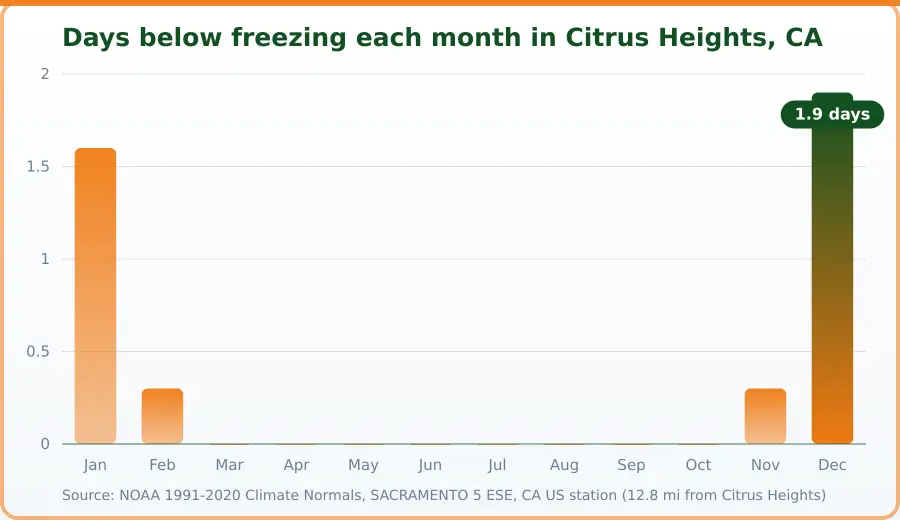
| Period | Freezing days per month (days) |
|---|---|
| Jan | 1.6 |
| Feb | 0.3 |
| Mar | 0 |
| Apr | 0 |
| May | 0 |
| Jun | 0 |
| Jul | 0 |
| Aug | 0 |
| Sep | 0 |
| Oct | 0 |
| Nov | 0.3 |
| Dec | 1.9 |
Source: NOAA 1991-2020 Climate Normals, SACRAMENTO 5 ESE, CA US station (12.8 mi from Citrus Heights). Retrieved October 4, 2026.
Winter Storm Damage Risk Across Citrus Heights Seasons
Spring: Thaw and Saturation
As winter rains taper and temperatures rise, spring brings heavy soil saturation and foundation stress. Thawing ground can shift concrete slabs, opening cracks where water seeps into basements and crawl spaces. Darby connects property owners to local restoration providers who assess spring water intrusion and drainage concerns before summer heat arrives.
Summer: Rare but Intense
Summer thunderstorms occasionally produce sudden downpours that overwhelm drainage systems, especially in low-lying neighborhoods near creeks and channels. Flash water damage can occur rapidly even when winter rainfall seems distant. Darby's referral network helps property owners respond quickly to unexpected summer storm damage before moisture causes mold or structural issues.
Fall: Preparation Season
Fall brings the transition toward the rainy season, with property owners preparing gutters, downspouts, and grading for heavy winter weather ahead. Early-season rains test existing drainage and expose vulnerabilities. Darby connects residents to local providers who can identify and address water-damage risks before peak winter storm systems arrive.
Winter: Peak Storm Risk
Winter delivers the year's most intense Pacific storm systems between November and March, with heavy rainfall and flash flooding threatening properties across Citrus Heights. Homes built on concrete slab foundations are especially vulnerable in low-lying areas near Arcade Creek and drainage channels, where groundwater and runoff pressure the foundation and seep through cracks. Darby connects property owners to independent local restoration providers who respond rapidly to winter storm damage, extract standing water, dry structures, and help mitigate long-term water intrusion problems.
Related Services
Homeowner Safety Toolkit
Verify Your Citrus Heights, CA Water Damage Restoration Company
Before you hire anyone, use these independent national resources to confirm credentials, standards, and track record.
BBB
Look up any restoration company's complaint history, customer reviews, and accreditation status — a free, independent check before you hire.
Check StandingRIA
A national trade association whose member companies agree to a written code of ethics covering honest estimates, safety, and fair billing.
Code of EthicsNADCA
Sets the industry standard for inspecting and cleaning HVAC systems after water damage, so contaminated ductwork doesn't spread moisture through the rest of the house.
Duct & Air StandardsWinter Storm Damage FAQs — Citrus Heights, CA
Winter storm damage often includes roof leaks, gutter overflow, foundation seepage, and water intrusion through walls or windows during heavy rain events. Properties in low-lying areas near drainage channels may experience basement or crawl space flooding. Damaged siding, missing shingles, and compromised seals allow water to penetrate interior spaces, leading to wet walls, flooring, and personal property loss.
Darby connects Citrus Heights property owners with local independent restoration providers as quickly as possible after you contact us. Response time depends on demand during active storm season and provider availability in your area. For active water emergencies, prompt contact is essential—reach out immediately so we can work to connect you with a provider ready to respond.
Restoration costs depend on the extent of water intrusion, affected materials (drywall, flooring, insulation), how long water sat before removal, and whether structural elements were compromised. Homes in areas near Arcade Creek or drainage channels may face higher costs if flooding reaches multiple rooms. The independent provider will assess your specific damage to determine scope and pricing.
Stop water entry if safe to do so—close windows and doors, place buckets under active leaks. Document damage with photos for your insurance claim. Move valuables away from wet areas. Avoid standing water that may contain contaminants. Contact Darby right away so we can connect you with a local restoration provider to begin water removal and drying before secondary damage occurs.
While you cannot stop seasonal storms, you can reduce vulnerability: maintain gutters and downspouts to direct rainfall away from your foundation, inspect and repair roof damage before heavy rain season, seal cracks around windows and doors, and ensure proper grading around your home. For properties in flood-prone zones like those near drainage channels, a sump pump or backflow valve may help limit water entry during heavy precipitation.
Winter storm damage risk peaks between November and March in the Citrus Heights area during the region's rainy season. Pacific storm systems bring heavy rainfall during these months, particularly affecting low-lying properties and areas adjacent to drainage channels. Preparing your home's roof, gutters, and seals before November can reduce damage risk when storms arrive.
Dealing with Winter Storm Damage in Citrus Heights, CA? Call (916) 222-9551 for 24/7 help.
Call Now — (916) 222-9551Areas We Serve Near Citrus Heights, California
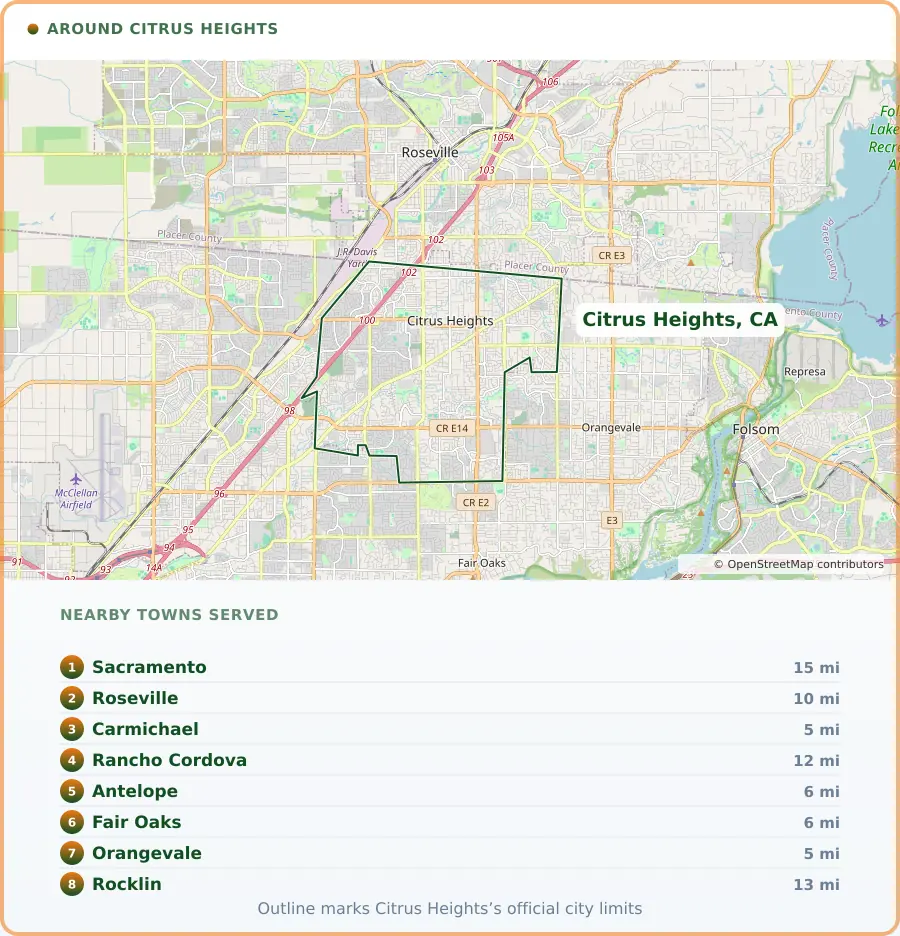
Based in Citrus Heights, CA, with 8 nearby communities inside the service area — near enough to reach quickly, not just listed on a map.
Citrus Heights, CA Information
Tucked into the heart of the greater Sacramento region, Citrus Heights, CA is home to roughly 87,576 residents who enjoy a suburban pace with plenty of everyday convenience close at hand. Neighborhoods like Sylvan Old Town and Rusch Park carry a sense of community history, while corridors such as Auburn Boulevard and Sunrise Avenue have long anchored the city's identity as a retail and service destination, built around names like Sunrise Mall, Target, Costco, and The Home Depot.
Rather than heavy industry, the local economy runs on retail trade, healthcare, education, and public administration, with employers like Kaiser Permanente, San Juan Unified School District, and the City of Citrus Heights providing steady work. Its easy connection to Sacramento keeps a strong flow of commuters and service-sector professionals calling this community home.
Photo: Billy Hathorn, CC BY-SA 3.0